

Table of Contents
- Introduction
- How a Ducted System Works
- Pros of Duct Systems
- Cons of Duct Systems
- Alternatives to Duct Systems
If you're planning a home renovation, building a new space, or just wondering how your heating and cooling really works, you’re in the right place! Today we’re talking about ducted systems – hidden highways that deliver comfortable air in most central HVAC setups. We'll explain how they work, list the real pros and cons, and explore some popular alternatives if ducts aren't the right fit for you.
How a Ducted System Works
A ducted system, often part of a central HVAC (Heating, Ventilation, and Air Conditioning) setup, is designed to distribute conditioned air throughout a building. Here’s the simple step-by-step:
-
Air Intake and Conditioning: Large return vents in your hallways or rooms suck air back to the main unit (your furnace or air conditioner, usually in the basement, attic, or garage). Air is pulled in through return vents around your home, passes through a filter to remove dust and allergens, and then gets heated or cooled before being sent back into the rooms.
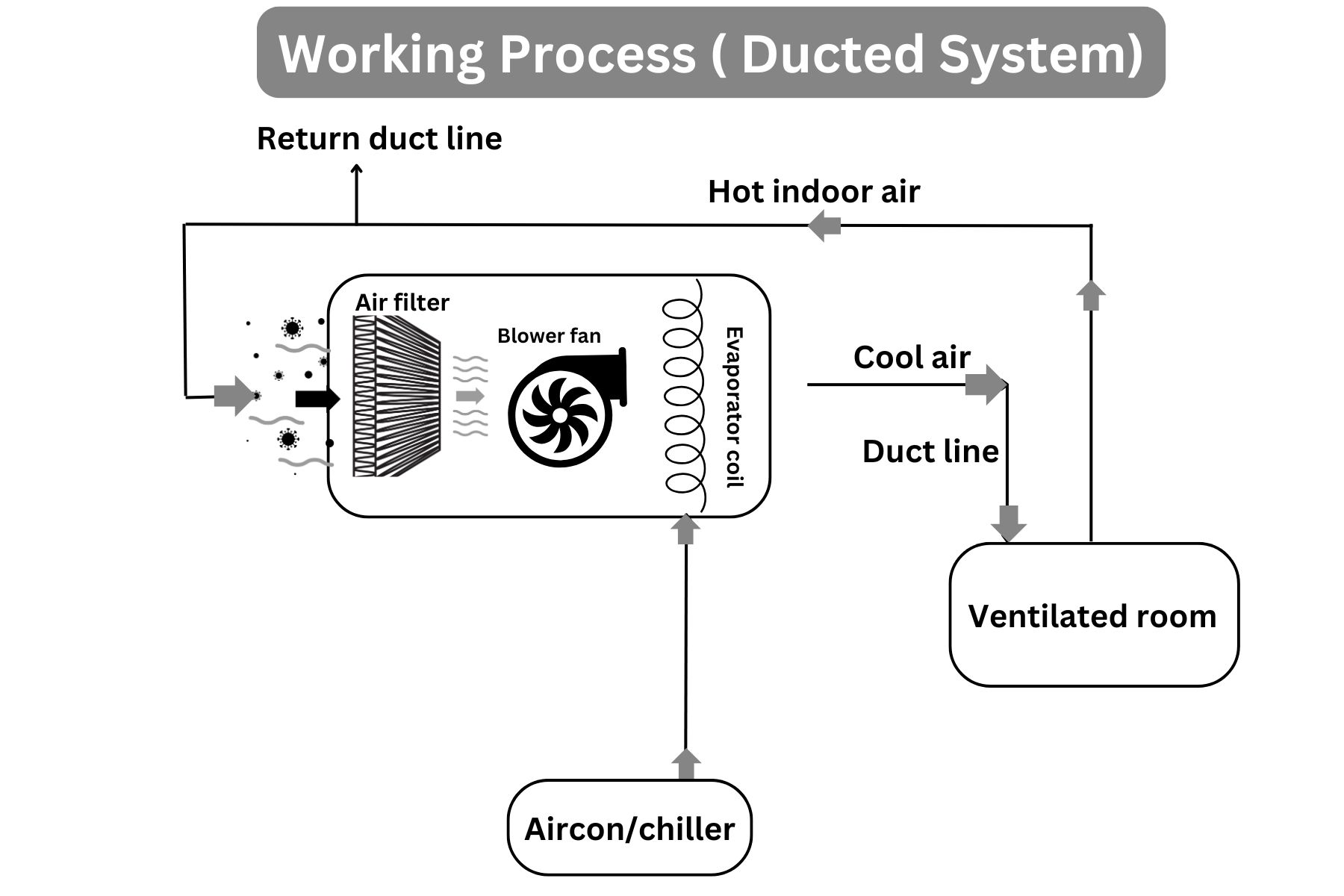
Ducted system working progress (Blossom Air-con, 2025)
-
Distribution via Ducts: Once the air is heated or cooled, a powerful blower fan pushes the conditioned air into the ducts. These ducts are insulated “tubes” (usually sheet metal, fiberglass duct board, or flexible tubing) hidden in walls, ceilings, floors, or crawl spaces. They branch out to every room, delivering warm or cool air exactly where you need it.
-
Supply and Return Vents: Fresh air flows out of supply vents into each room, you’ll see these smaller grilles on walls, floors, or ceilings – that’s where the cool or warm air blows in. Return vents (usually larger and without flaps) pull the room air back to the unit. This creates a constant loop, which the system keeps taking in stale air, cleaning and adjusting it, then sending it back out—keeping everything balanced and comfortable.
-
Controls and Zoning: Modern systems come with smart extras like thermostats and dampers (little valves that open or close to control airflow). Many also have zoning, which simply means you can split your home into separate areas—like upstairs and downstairs—and set different temperatures for each room. That way, you only heat or cool the parts you’re using, so you stay comfortable and save on energy bills.
Basically, the ducts work like your home’s “lungs and blood vessels.” They quietly move fresh, heated or cool air to every room and pull the old air back out, so the whole house stays evenly cool or warm—no hot or cold spots.

Duct systems diagram ( Panasonic, 2018)
Pros of Duct Systems
Ducted air conditioning has been the go-to choice for homes and businesses for years—and it’s easy to see why. Here are the main reasons people love it:
- Whole-Home Coverage: They spread the heated or cooled evenly to every room, so you no longer have those annoying hot or cold spots that smaller systems often leave behind.
- Clean, minimalist look: Vents are small and easy to hide in the floor or ceiling, so they stay out of sight and keep your rooms looking neat and tidy.
- Air Quality Improvements: Many systems can come with built-in filters and fresh-air options that trap dust, pollen, and allergens, while controlling humidity—so the air inside your home stays cleaner and healthier.
- Scalability: Ideal for larger homes or buildings, with the ability to add zones or integrate smart controls for efficiency.
- Long-Term Reliability: When properly installed and maintained, they can last 20-30 years with minimal issues.
Cons of Duct Systems
No system is perfect, and ductwork comes with its share of challenges:
- High Installation Costs: Adding ducts to an older home that never had them can be costly and messy—you’ll usually need to cut holes in walls and ceilings, which means a lot of dust and disruption.
- Space Requirements: They need significant room for installation, which might not be feasible in compact homes or apartments.
- Maintenance Needs: Dust can build up inside ducts if they’re not cleaned every few years. Leaks or blockages require regular cleaning and inspections to prevent efficiency drops or health issues like mold.
- Airflow and Wasting Issues: If the system is not balanced correctly, some rooms can end up too hot or too cold. Leaks or poor design can waste 20–30 % of your energy
If these downsides make a ducted system seem less appealing, don't worry, there are plenty of ductless options that are easier to install, just as efficient, and give you great comfort without all the mess.
Alternatives to Duct Systems
For homes without space for ducts or seeking energy savings, consider these ductless options using refrigerant lines:
-
Split Systems in All Rooms: One outdoor unit + wall-mounted indoor units in each room. You control every room separately. Super popular for renovations and older homes.

-
Multi-Head System (Max 10kW): Use just one outdoor unit to run 5–8 indoor units. They’re compact, cheaper to install, and perfect for smaller homes or apartments.
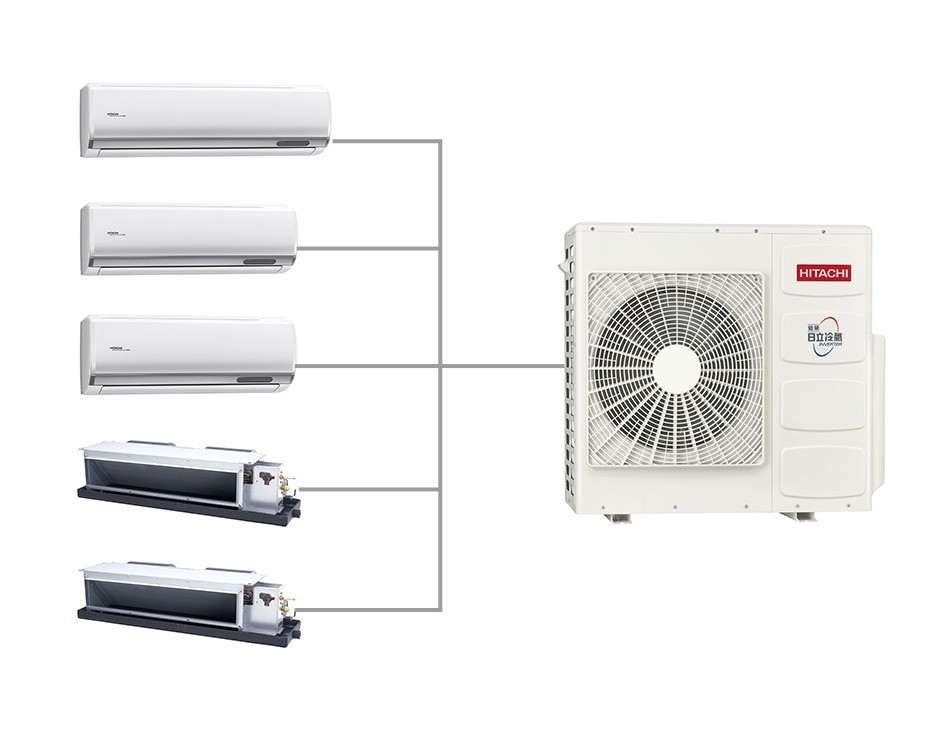
-
Mini VRF (Max 18kW): Multi-zone heat pump systems use a single outdoor unit to serve several indoor units, and the clever part is they can heat some rooms while cooling others at the same time. Ideal for larger spaces.
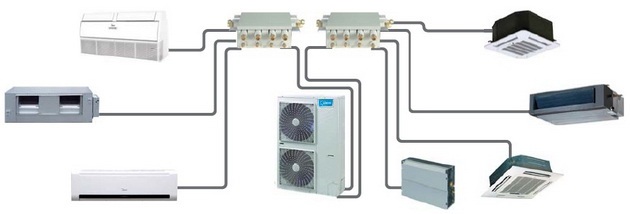
All of these ductless systems use thin refrigerant lines instead of big air ducts, so installation is faster, cleaner, and usually cheaper when you’re starting from scratch.
Final Thoughts
Ducted systems are still a solid, reliable way to keep your whole house comfortable. But before you choose, think about your home’s layout, your budget, and how much energy you want to save.
If installing a ducted system feels too expensive, messy, or unnecessary, don’t worry—modern ductless options like mini-splits, multi-head systems, or mini VRF give you the same great comfort, often with easier installation and lower running costs.
References
Panasonic (2025). Panasonic ducted air con brochure. https://www.panasonic.com/content/dam/Panasonic/au/en/Learn-More/air-condition/splittable-high-static-ducted/panasonic-2020-R32-nx-residential-premium-ducted-brochure.pdf
Australian Climate System (2024). Ductless Split Systems vs. Central Air Conditioning: Pros and Cons. https://austclimate.com.au/ductless-split-systems-vs-central-air-conditioning/
Brighte (2025). Everything you need to know about ducted air conditioning systems. https://brighte.com.au/sustainable-home/airconditioning/everything-you-need-to-know-about-ducted-air-conditioning-systems
Reference Date: 11/2025
by Amy Yen
Ready to find an air conditioner that suits your home?
Explore our air conditioner range and learn more about options that may be suitable for Queensland homes and PeakSmart-related requirements.
