

Table of Contents
- Introduction
- Why Indoor Air Quality Matters for Allergy Sufferers
- How Can an Air Conditioner Help Reduce Allergens?
- How to Control Indoor Allergens and Improve Indoor Air Quality
- The Miracle of Nanoe™ X Technology
- Proven Results (Independent Testing by SGS Inc.)
- Panasonic Z Series with nanoe™ X – Designed for Allergy Relief
- Comparison: Allergy-Friendly Air Conditioner vs. Standard AC
- Additional Tips to Improve Indoor Air Quality
- Is This the Right Air Conditioner for Your Home?
Living in Australia — especially here in Brisbane, means we're always dealing with sticky humidity, spring pollen, everyday dust, and those smoky hazes from bushfires that drift over now and then. It can turn your home's air from fresh to stuffy, heavy, and irritating! If you've got allergies, asthma, a newborn baby, or elderly family members at home, these everyday hassles can feel way more overwhelming — keeping everyone sneezy, restless, or just plain uncomfortable indoors when we already spend so much time inside.
The latest ASCIA 2025 report from Deloitte Access Economics (for ASCIA and the National Allergy Council) shows that one in three Australians — that's about 8.2 million people — now live with allergic disease, with around 16.4 million cases across the country due to multiple conditions. Allergy rates are climbing fast, and it's one of Australia's quickest-growing chronic health issues, hitting families hard with symptoms, doctor visits, and even big economic costs.
Struggling with constant sneezing fits, itchy watery eyes, a runny or blocked nose, scratchy throat, or those frustrating breathing difficulties? You're definitely not alone — millions of Aussies deal with this every day, and it's getting more common.
The good news? There are simple, practical steps you can take to improve indoor air quality at home, reduce those allergy triggers, and help everyone breathe easier — whether it's better habits, smarter ventilation, or advanced tech like air purification systems. Keep reading for real tips that work in Brisbane homes, from everyday changes to how modern air conditioners with powerful purification can make a big difference year-round.


Why Indoor Air Quality Matters for Allergy Sufferers
According to allergy research in Australia, a large percentage of households are affected by:
- Dust mites
- Pollen
- Pet dander
- Mould spores
- Airborne bacteria
These allergens circulate indoors and become trapped inside bedrooms and living areas — especially during hot Australian summers when windows stay closed. Here in Brisbane and across Australia, we spend most of our time indoors — but that indoor air can quickly get loaded with dust mites, mould, pollen tracked in from outside, pet dander, cooking smells, or even leftover bushfire haze.
Poor indoor air quality doesn't just feel stuffy; it can trigger:
- Sneezing and nasal congestion
- Itchy eyes
- Asthma flare-ups
- Poor sleep quality
The Australian Centre for Disease Control (ACDC) highlights steps to improve indoor air quality at home, focusing on cutting exposure to triggers, ensuring good ventilation, and using tools to filter out nasties.
Allergy sufferers (ABC News ,2015)
How Can an Air Conditioner Help Reduce Allergens?
Not all air conditioners improve indoor air quality. Basic systems only cool or heat air.
However, modern split system air conditioners with advanced filtration can:
- Capture airborne dust and particles
- Reduce pollen concentration indoors
- Suppress mould growth
- Neutralise certain airborne pollutants
The key is choosing a model with air purification technology, not just cooling/ heating power.

How to Control Indoor Allergens and Improve Indoor Air Quality?
Here in Brisbane and across Australia, we spend most of our time indoors — whether it's working from home, relaxing, or sleeping. But that indoor air can quickly get loaded with stuff like dust mites, mould, pollen tracked in from outside, pet dander, cooking smells, or even leftover bushfire haze. Poor air quality doesn't just feel stuffy; it can make allergies worse, trigger asthma flare-ups, cause sneezing, itchy eyes, runny noses, or breathing troubles, and leave everyone feeling a bit off.
Here are the three main steps, with real-life advice that works in our humid Brisbane homes:
Reduce your exposure to indoor airborne allergens
The biggest culprits here are dust mites, mould, pet dander, and pollen that sneaks inside. Start with easy habits that make a real difference:
- Clean regularly — dust and vacuum floors, carpets, rugs, curtains, and furniture at least once a week. Use a vacuum with a HEPA filter so it traps tiny particles instead of blowing them back out. Wipe surfaces with a damp cloth (not dry dusting) to avoid stirring up dust.
- Tackle dust mites in bedrooms — wash sheets, pillowcases, and blankets weekly in hot water (over 60°C) to kill mites and remove their allergens. Use allergen-proof covers on mattresses and pillows if someone has bad allergies.
- Keep humidity low — aim for indoor levels below 50% (use any hygrometer to check). In humid weather, run a dehumidifier, especially after rain or in bathrooms and kitchens. This stops mould growing and makes it harder for dust mites to survive.
- Handle pet dander — brush pets outside, bathe them weekly if possible, and keep them out of bedrooms. Vacuum pet areas often. These steps can reduce the common triggers for hay fever, asthma, eczema, and respiratory issues.
Ensure good ventilation in indoor spaces
Bring in fresh outdoor air by opening windows (when outdoor conditions allow), using exhaust fans during cooking or showering, and maintaining mechanical systems with high-grade filters — this dilutes pollutants and reduces stuffiness.
Use air cleaners to help purify the air
Devices with HEPA filters (or advanced purification tech) capture particles such as pollen, dust, mould spores, bacteria, and viruses, providing an extra layer of protection for cleaner breathing.
Even better, there's innovative technology that takes these steps further by enhancing purification and supporting better air quality — Nanoe™ X.


The Miracle of Nanoe™ X
Nanoe™ X is a smart air-cleaning technology — which has been developed from Panasonic over more than 20 years — that brings the power of nature indoors to help make your home's air fresher and healthier. Here's how it works:
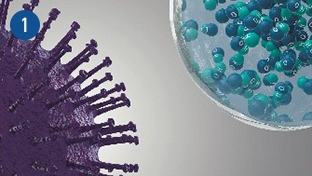
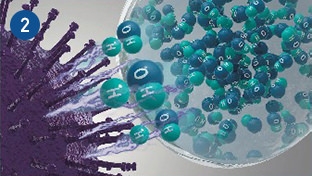
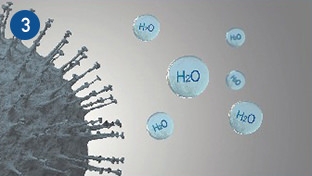
Nanoe™ X reaches pollutant (Panosonic, 2026)
- It quietly pulls tiny bits of moisture that's already floating in the room's air — no water tank or refills needed!
- Then, using a clever electric process (like a mini lightning zap, but super safe and silent), it turns that moisture into ultra-tiny water particles — so small we can't see them.
- Inside each of these nano-sized water droplets are trillions of special "cleaning molecules" called hydroxyl radicals (OH radicals). Think of them as nature's own gentle scrubbers — they're the same things that help keep outdoor air fresh and clean.
- These radicals zoom around the room and attach to troublemakers like pollen, dust mites, pet fur dander, mould spores, bacteria, viruses, and even stubborn smells. They break them down and neutralise them safely.
- Nanoe™ X wraps the radicals inside a protective water shell, so they don't disappear in a split second like normal ones do. Instead, they stay active for up to 10 minutes or longer, floating farther and reaching hidden spots like curtains, carpets, sofas, and bedding to keep cleaning even on surfaces.
Panasonic has improved nanoe™ X: the Generator Mark 3 (from 2021) produces 100 times more hydroxyl radicals than the original, for faster, more powerful cleaning.
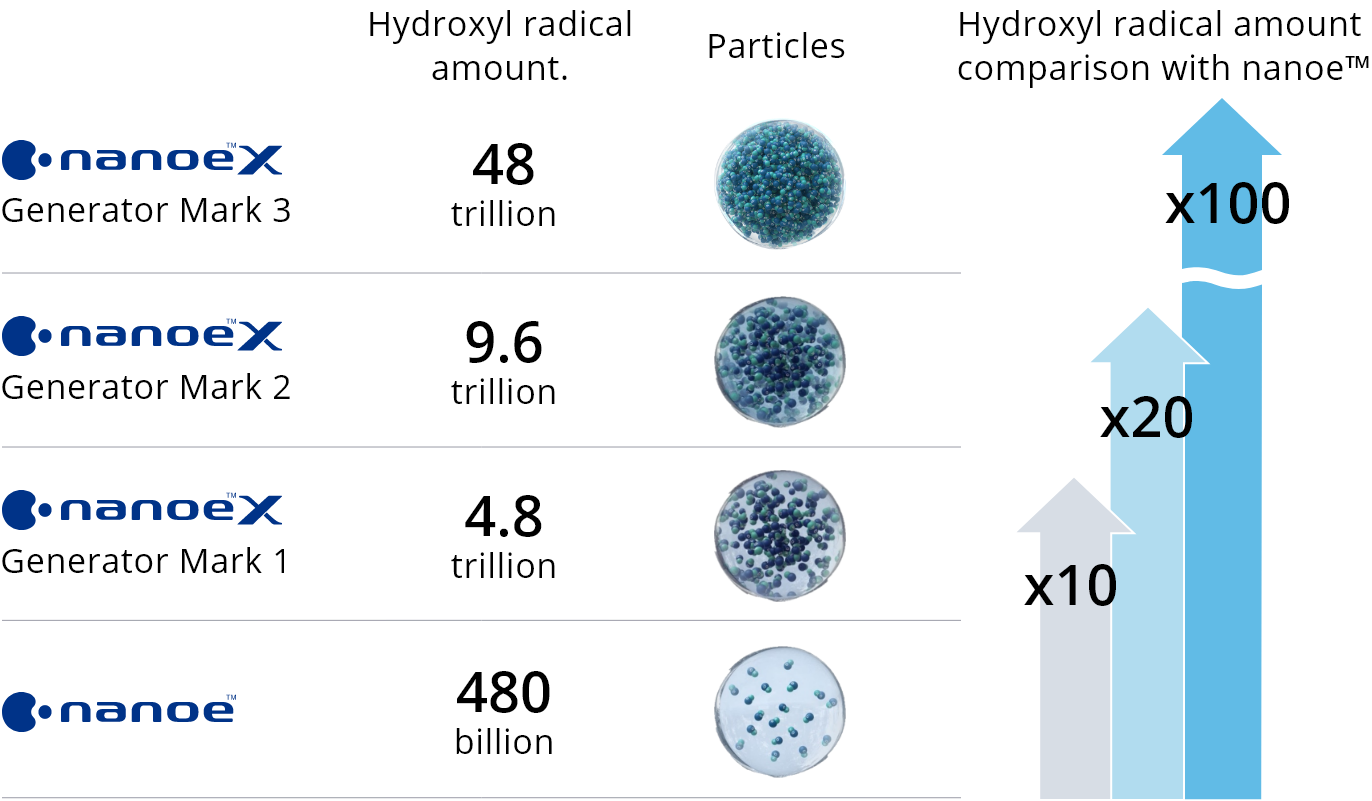
Nanoe™ X technology (Panosonic, 2026)
It can reduce up to 99% of common allergens and pollutants, works on surfaces, and keeps cleaning 24/7 — even when cooling or heating is off!
Proven Results (Independent Testing by SGS Inc.)
- Virus inhibition: An air conditioner with nanoe™ X Generator Mark 3 inhibited adhered bacteriophage (virus proxy) by 98.81% in 4 hours in a large 139 m³ simulated space (with 3 air changes/hour ventilation).
- Odour reduction: Reduced adhered cigarette smoke odour by 1.7 levels on a 6-level scale in 30 minutes in the same large space.
- Pollen neutralisation: Inhibited 99% or more of adhered cedar pollen allergens in just 3 hours (Mark 3 is 1/8 the time of the original nanoe™ X).
- Mould suppression: With internal cleaning function, complete inhibition of mould growth (0 μm) after 9 days vs. significant growth without it.
Panasonic Z Series with nanoe™ X – Designed for Allergy Relief
The Panasonic Z Series split system air conditioners are built to tackle Brisbane's challenges: stuffy air, allergy triggers, and noisy units. They deliver fast, even cooling/heating with energy-efficient inverter technology, plus built-in nanoe™ X that works 24/7 to neutralise allergens, bacteria, viruses, mould, odours, and pollutants — even when not cooling/heating.
Why it’s one of the best air conditioners for allergies:
✔ Advanced Air Purification — nanoe™ X operates independently, purifying even without temperature adjustment.
✔ Suitable for Brisbane & Australian Climate — Controls humidity and mould in humid regions.
✔ Energy Efficient — Inverter tech reduces consumption.
✔ Quiet Performance — Low noise ideal for bedrooms and better sleep.
✔ Sensitive Choice Approved — Endorsed by National Asthma Council Australia for asthma/allergy sufferers.
This makes it trusted in hotels, hospitals, restaurants, schools, gyms, offices — and perfect for your home.
Comparison: Allergy-Friendly Air Conditioner vs Standard AC
| What You Get | Panasonic Z Series (with nanoe™ X) | Regular Split System |
|---|---|---|
| Air Cleaning | Powerful nanoe™ X cleans air + surfaces | Basic filter only |
| Allergy Relief | Cuts 99%+ of pollen, dust mites, pet dander | Catches some, but not much |
| Mould Control | Stops mould growing inside & around unit | Little to no help |
| Germs & Smells | Kills ~99% viruses, removes tough odours | Almost no effect |
| Energy Use | Super efficient, lower bills | Uses more power |
| Good for Allergies/Asthma | Excellent – helps you breathe & sleep better | Okay for cooling, not for allergies |
| Works 24/7 | Yes – purifies even when cooling is off | No – only when running |
Additional Tips to Improve Indoor Air Quality
Even the best air conditioner works better with proper maintenance. To maximise allergy relief:
- Clean filters every 2–4 weeks
- Schedule professional servicing annually
- Maintain indoor humidity between 40–60%
- Avoid opening windows during high pollen seasons
- Vacuum regularly using HEPA filters
Combining these with an allergy-friendly air conditioner significantly improves results.
Is This the Right Air Conditioner for Your Home?
If you are searching for:
- Best AC for allergy relief
- Air conditioner for asthma
- Air conditioner with air purifying technology
- Allergy-friendly air conditioner in Australia
Panasonic Z Series with nanoe™ X is one of the strongest options available. This combination of powerful comfort and advanced air purification has made the Z Series a trusted favourite not just in homes, but in places where clean, healthy air really matters:
- Hotels — Guests enjoy fresher rooms.
- Hospitals and medical centres — Helps maintain cleaner air in waiting areas and patient rooms.
- Restaurants and cafés — Reduces cooking odours while keeping diners comfortable.
- Schools and childcare centres — Supports better air quality for children who spend long hours indoors.
- Gyms and fitness studios — Tackles sweat odours and keeps the air fresh during workouts.
- Offices and commercial spaces — Improves staff comfort and productivity with cleaner air.
Here’s the image of the Panasonic Z Series indoor unit, it suits nicely into any room:

Panasonic Indoor Unit Display
One Last Thing...
Choosing the right air conditioner isn’t just about cooling power — it’s about protecting your family’s health. For Australian households dealing with allergies, investing in a system with advanced purification technology like nanoe™ X can make a noticeable difference in comfort and air quality.
If allergies, stuffy air, or a noisy air conditioner have been making life harder for your family, the Panasonic Z Series could be a real game-changer. It delivers comfortable temperatures plus cleaner air all year round — fewer itchy-eye days, better sleep, fresher rooms.
If you’d like help selecting the right allergy-friendly air conditioner for your Brisbane home, contact our team for expert advice and competitive pricing.
Your family spends a lot of time indoors — why not make that time a little easier and healthier? Small upgrade, big difference.
👉 Browse Panasonic split system air conditioners → Panasonic Split Systems.
References
- Panasonic Australia. (2026). nanoe™ X: Air Conditioner with Air Purifier. Panasonic. https://www.panasonic.com/au/hvac/nanoe.html
- nanoe X. (2021). How nanoe™ X Works: Clean Air Technology. https://www.nanoex.com.au/how-nanoex-works
- Sensitive Choice. (n.d.). Panasonic nanoeX - Sensitive Choice. National Asthma Council Australia. https://www.sensitivechoice.com/product/panasonic-nanoex-air-purifying-technology/
- Panasonic Australia. (2026). The evolution of nanoe. Panasonic. https://www.panasonic.com/au/hvac/nanoe/evolution.html
- Panasonic Australia. (2026). Concentration Simulation. Panasonic. https://www.panasonic.com/au/hvac/nanoe/concentration_simulation.html
- Panasonic Australia. (2026). Safety | nanoe™ X. Panasonic. https://www.panasonic.com/au/hvac/nanoe/safety.html
- Deloitte Access Economics. (2025). Costly Reactions: The economic and social cost of allergic disease in Australia. Report for the Australasian Society of Clinical Immunology and Allergy (ASCIA) and the National Allergy Council. https://www.allergy.org.au/ascia-reports-economic
- National Asthma Council Australia. (2026). Sensitive Choice program – Panasonic nanoeX endorsement. https://www.sensitivechoice.com/product/panasonic-nanoex-air-purifying-technology/
Reference Date: 03/2026
by Amy Yen
Ready to find an air conditioner that suits your home?
Explore our air conditioner range and learn more about options that may be suitable for Queensland homes and PeakSmart-related requirements.
